
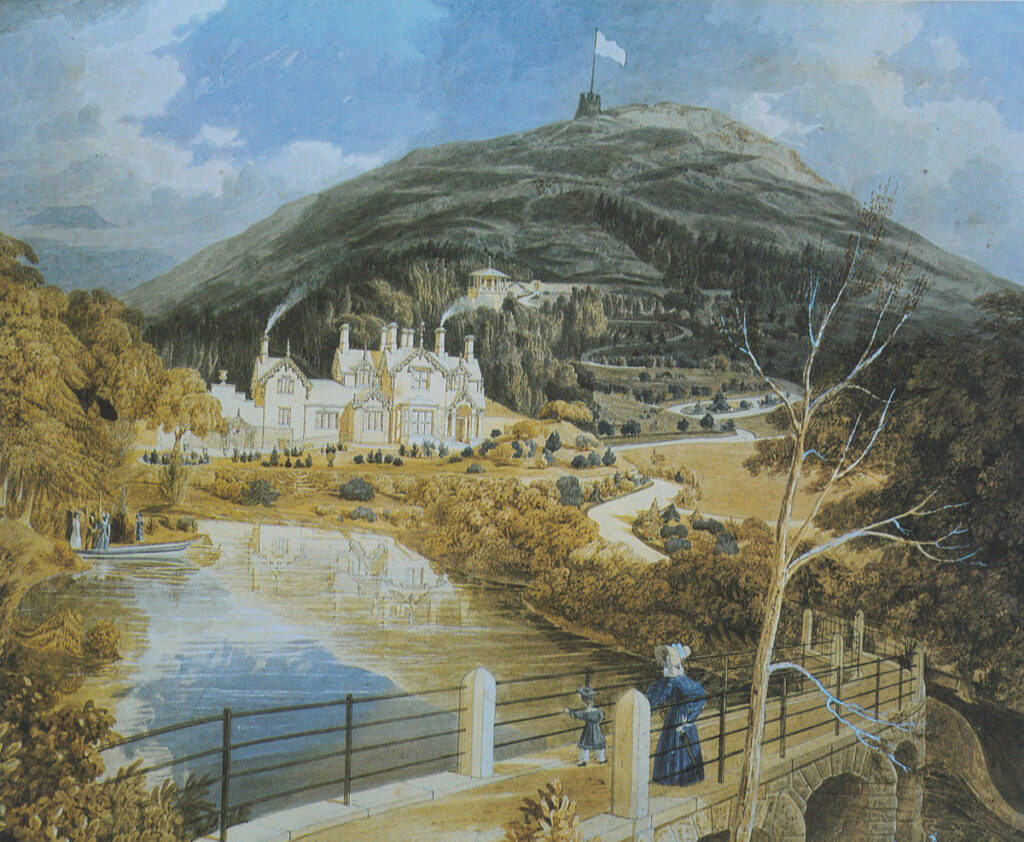
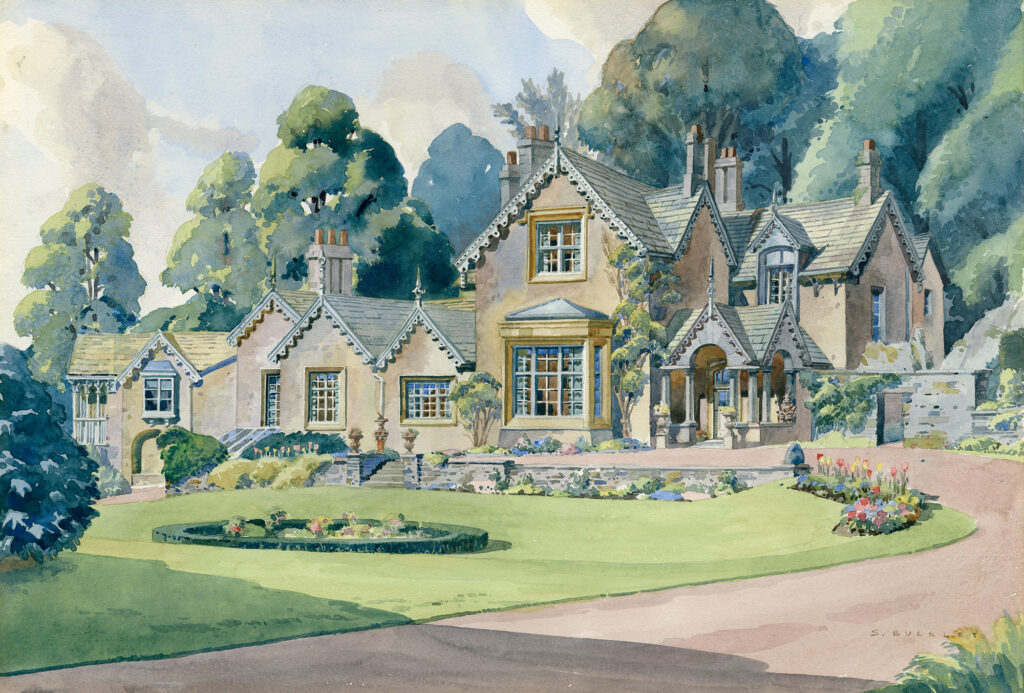
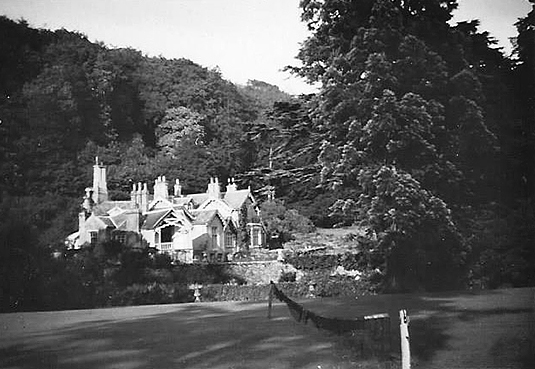
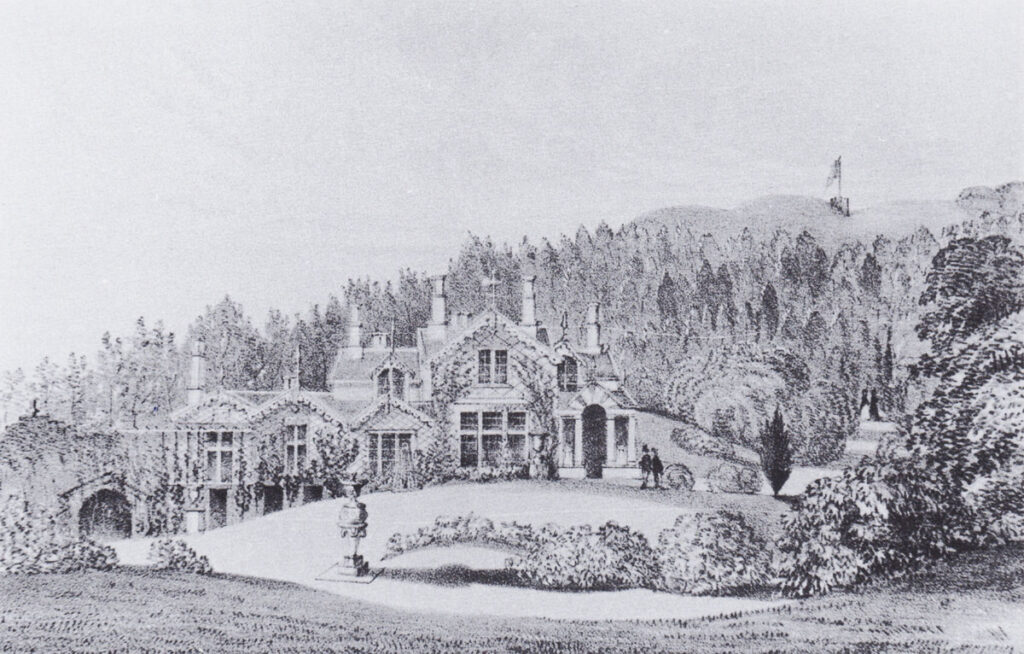
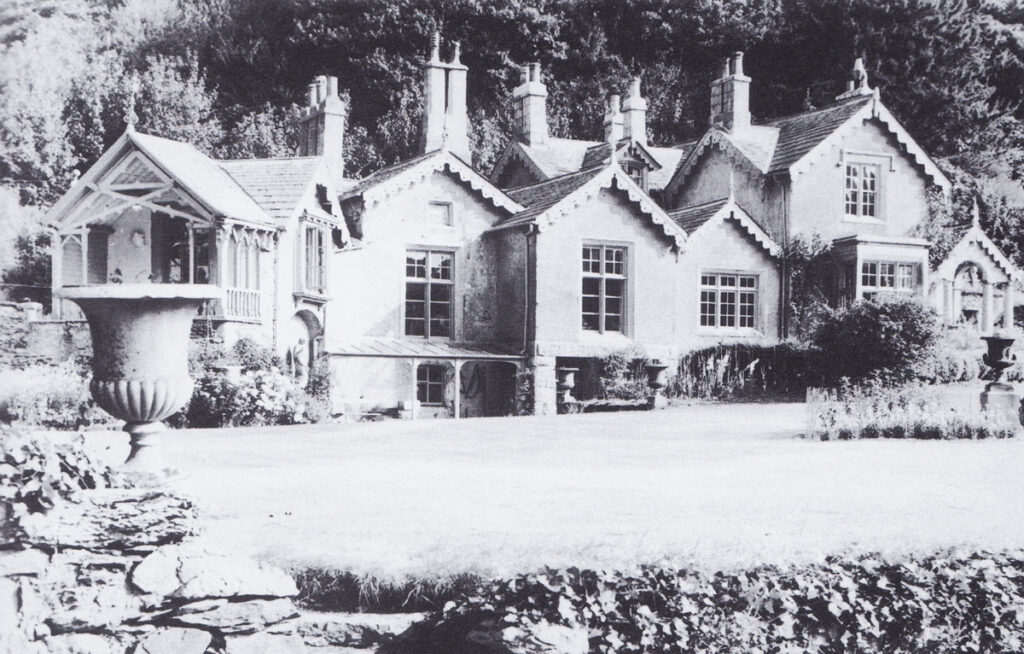
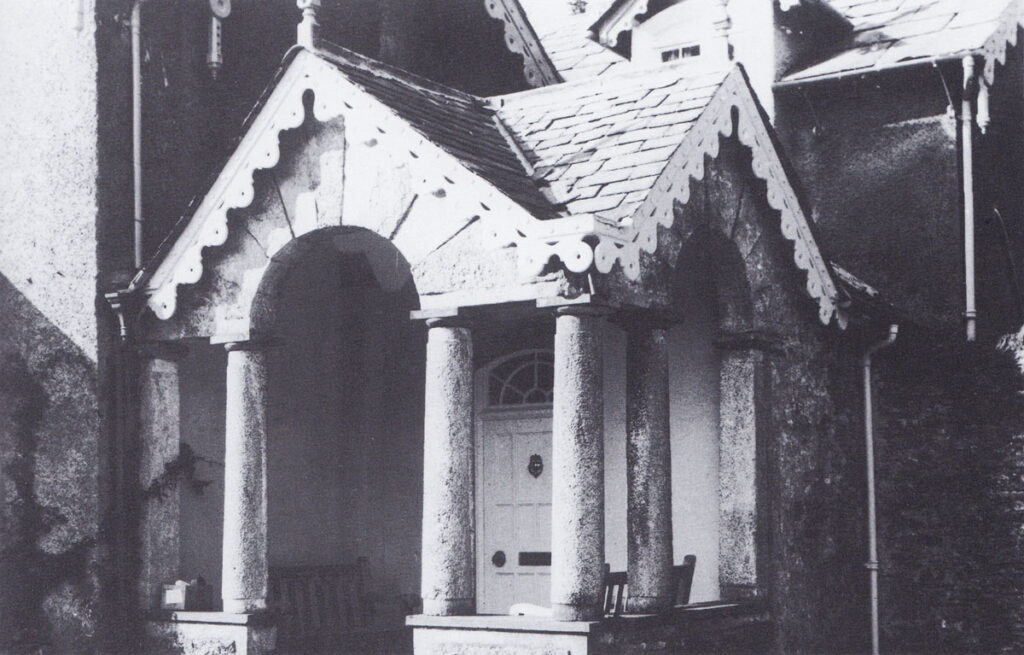
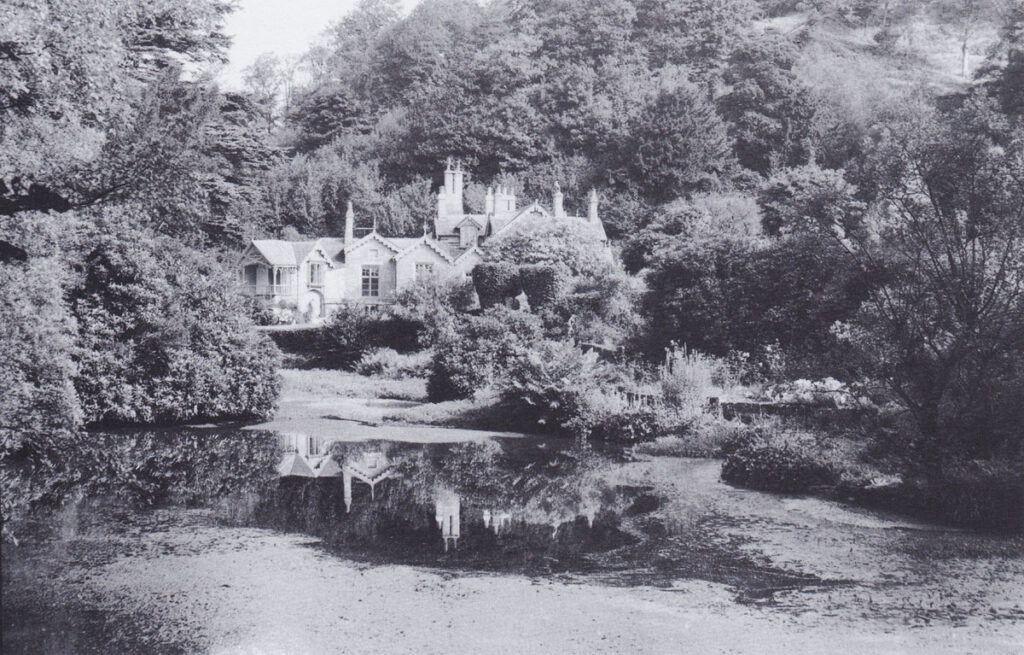

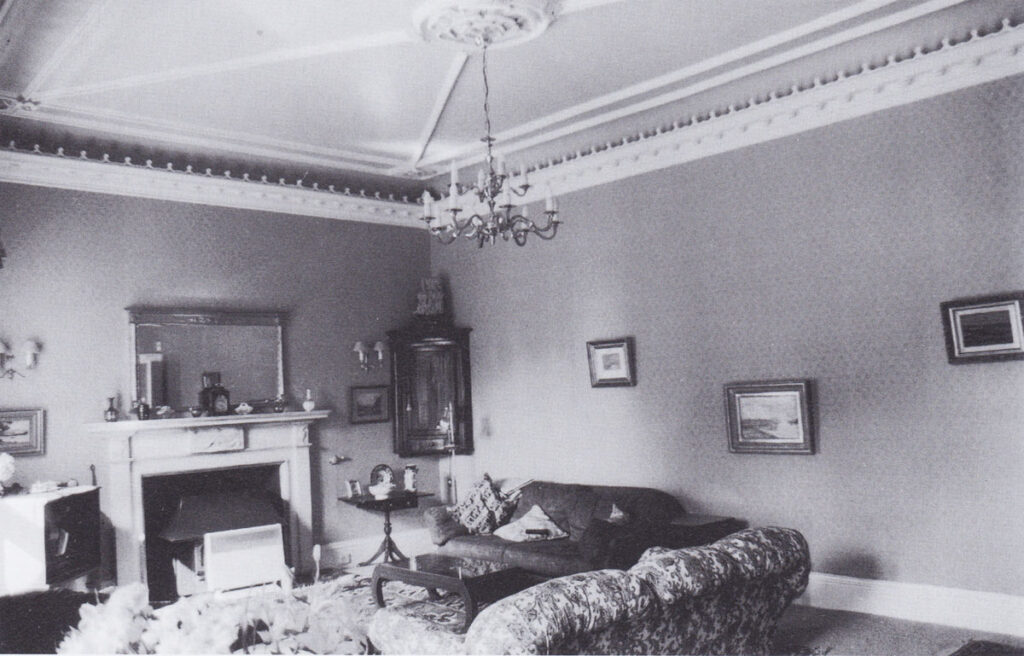

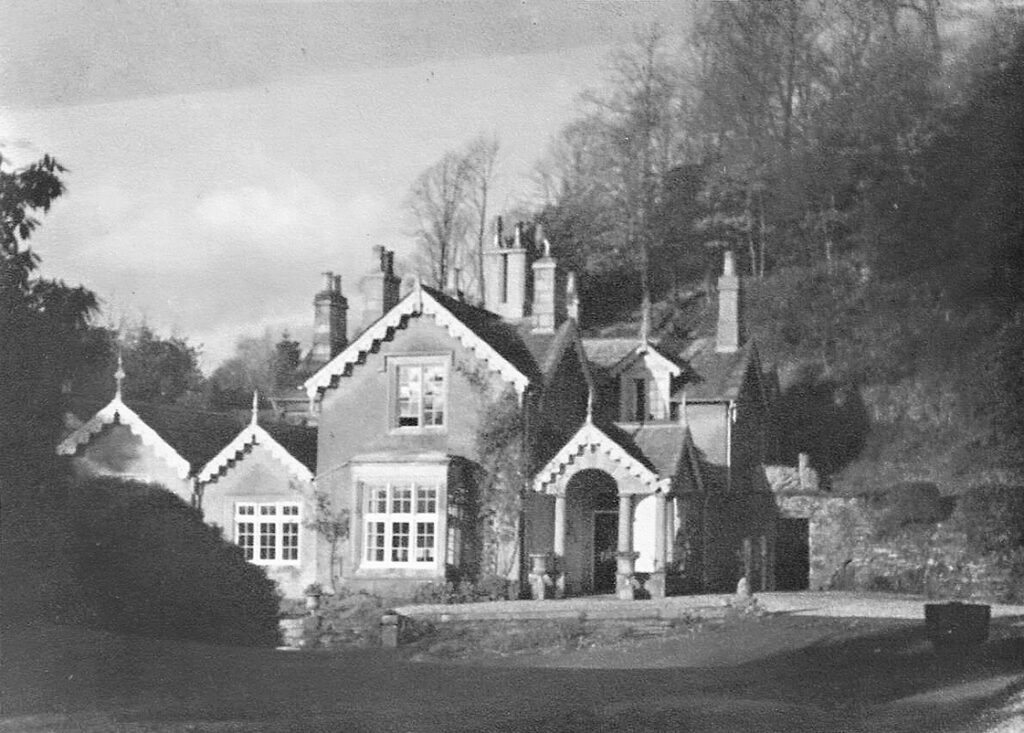
Renown builder and architect, George Webster, inherited Eller How upon his father’s death in 1827, the same year he married his beloved wife Eleanor Lowrey. The house was originally enlarged from an existing cottage in 1818 by Francis Webster, also a master builder and architect, but further extended and styled between 1827 and 1850 by George. He made changes and added extensions to create the fairytale house we have today.
Early in his career, Webster went to join his father, Francis, as a partner in his architectural firm and his works were centred around their office and marble works in Kendal. He worked with large houses creating new designs and altering and extending others. He also designed their associated structures such lodges, gateways and terraces.
Webster met and worked for many notable people of the time, including the poet William Wordsworth. In 1825 Wordsworth commissioned designs from Webster for a new house to be built known only as The Rash after the field it was to be built in. In 1826 Wordsworth invited Webster to visit him at Rydal Mount – ‘I have a bed at your service’ ‘for the benefit of your plans and judgement in respect to the house I design … bring as many plans as you think may be of use to me.’ Although the house didn’t get built, Webster’s plans for The Rash survive and are kept by The Wordsworth Trust.
Wordsworth came to visit Eller How and admired the attractive property. During the opening ceremony of one of their projects Wordsworth spoke of the ‘elegance of the architecture’ and a toast was drunk to Webster as the architect.
In 1836 Edward Lear, author of The Owl and the Pussycat, stayed at Eller How while on tour of the Lake District. He wasn’t impressed by the Webster children who he thought to be rude and called Kendal ‘nature’s slop bucket’ owing to the amount it rained.
During his career, Webster became a pioneer for the Tudor Revival style and was known to incorporate Jacobean and Elizabethan features into his designs. However, towards the end of his career he was influenced by his own travels in Italy and became a fan of Italianate features, examples of which can be seen in a tower he created for The Belsfield in Bowness-on-Windermere. George was also a big fan of the Gothic Revival style and designing and remodelling at least 13 churches in this style.
In 1830 Webster and his family moved permanently from Kendal to Eller How. Webster filled the house with large collections of books, art, figures, photographs and, more sentimentally, stones and shards from ancient sites around Europe that he had visited. Upon his death in 1864, he wished for his library, collections, plans and all household furniture to remain at Eller How as heirlooms. The house was sold in 1916, however the sales particulars make no reference to the contents included in the sale. In 1949 the portraits of Francis and George were presented to Kendal Town Hall, though unfortunately now, George’s is lost.
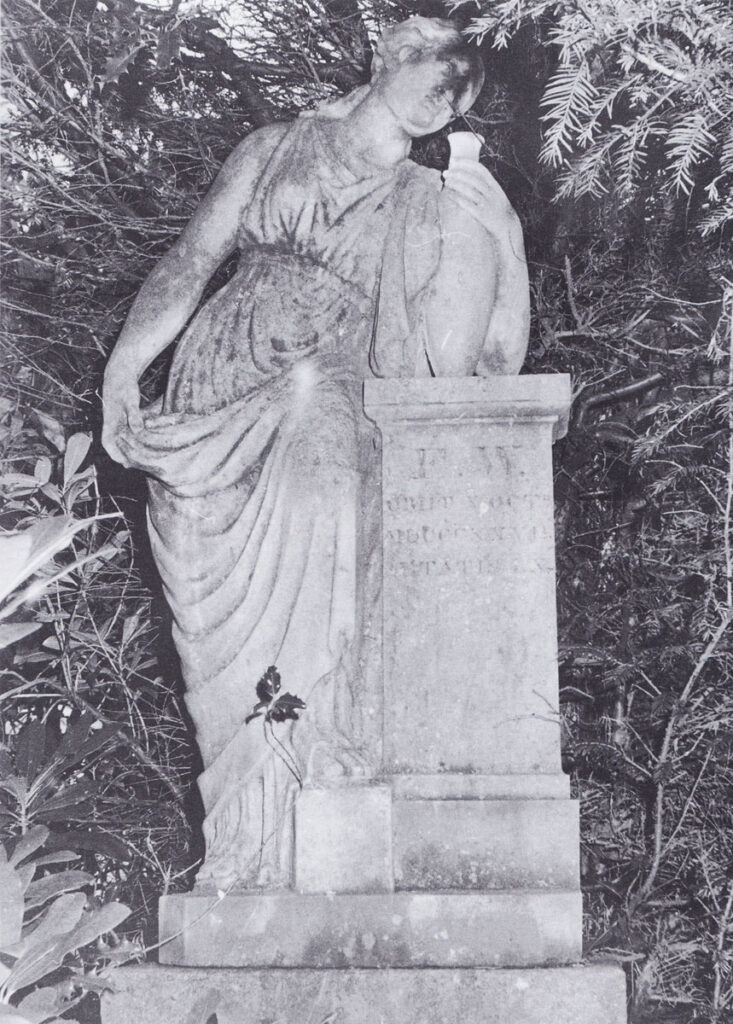
Eller How remains a stunning example of Webster’s work, but also is where he was happiest and often longed to be. He had a stone carved and placed on the wall of the house commemorating his marriage to Eleanor; a very romantic gesture and one which we feel is symbolic of Webster’s lifelong passion for Eller How.
Present day; the current owners bought Eller How in April 2021 and are continuously working to bring the estate back to its former glory. Follow their projects on instagram @ellerhowhouse